
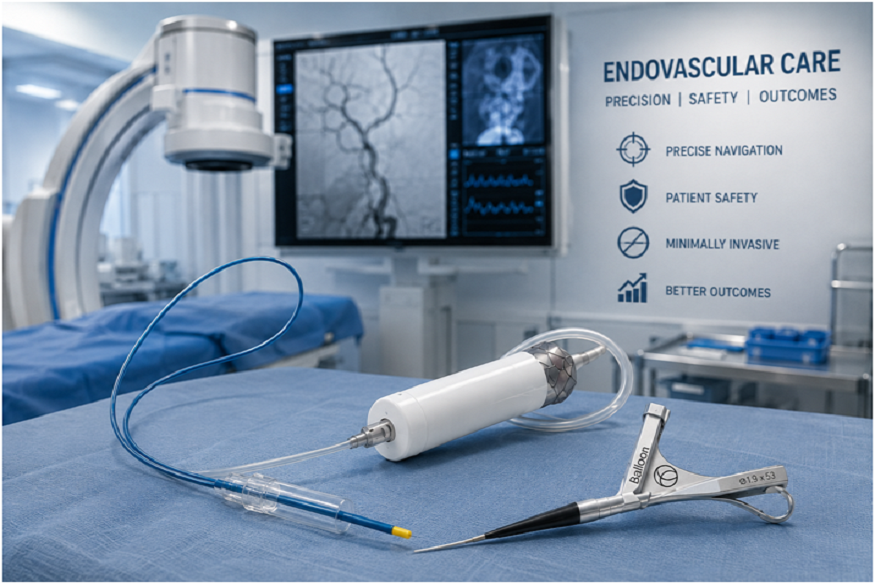
Key points:
- Check quality and regulatory compliance.
- Confirm products meet clinical needs.
- Review stock and delivery reliability.
- Assess after-sales technical support.
- Compare total cost, not just price.
- Check traceability and complaint handling.
Understanding Device Supplier Reliability
Selecting an endovascular device supplier is not only about finding the right products at the right price. Healthcare facilities also need to know whether the devices will be available when required, whether the necessary paperwork is complete, and whether the supplier can respond properly if there is a product, delivery, or quality concern.
Medical devices should come with proper quality controls, product documentation, and regulatory records. Before buying, facilities should review the relevant details for the products being considered, including registrations or clearances, quality certifications, product specifications, instructions for use, sterilisation information, and traceability records. If a supplier says the products are certified, it is better to understand which certification applies, whether it is still valid, and whether it covers the exact products being purchased.
Traceability is also important. If there is a complaint, product defect, or recall connected to a particular batch, the supplier should be able to identify the affected products and provide the required information without delay. This helps healthcare teams manage product issues more safely and maintain better control over the devices used in patient care.
Making Medical Equipment Choices Clear
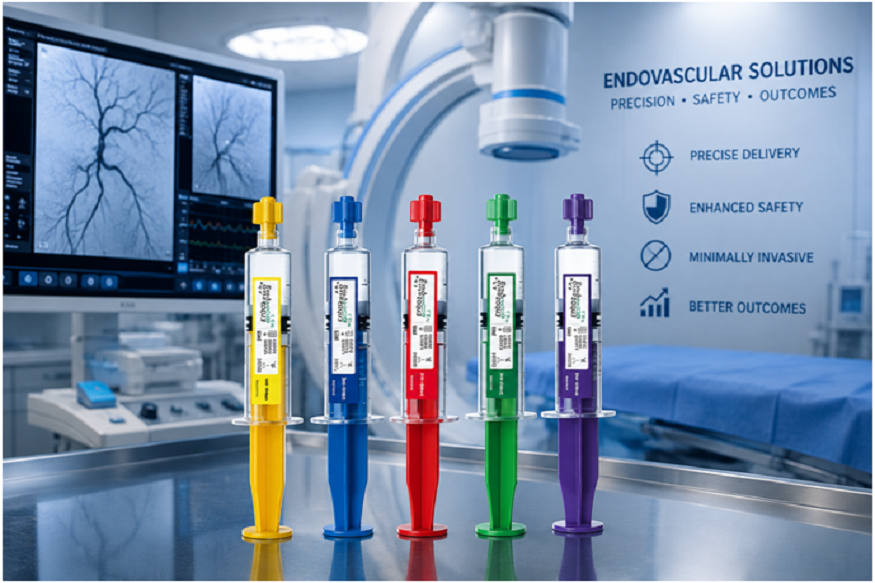
A long product catalog doesn’t always mean a supplier is a good choice. What matters is that the product is compatible with your facility’s procedures and requirements. Endovascular procedures may include a variety of devices such as guidewords, catheters, balloon catheters, stents, stent grafts, delivery systems, introducer sheaths, and other products for vascular intervention. Instead of just counting how many products a supplier offers, look closer at the specifications.
The supplier should also provide clear information about related medical equipment and supplies that may be required to support routine purchasing and procedural needs. Check available sizes and configurations, compatibility, delivery systems, materials, intended use, packaging and shelf life. If your facility does many different types of vascular procedures, find out whether the supplier can meet most of your routine needs or if you will still have to deal with several different suppliers.
You can also enquire about product updates and new additions to the portfolio. But don’t assume the latest product is automatically the best choice. The device shall be suitable for the intended procedure and shall comply with the relevant regulatory and technical requirements.
To summarise, select products that fit your clinical team’s needs, not on how impressive the supplier’s catalog looks.
Check Stock Reliability and Delivery Support
A supplier’s delivery performance matters most when your facility needs a specific device and it is not available on time. A reliable supplier should be able to explain the usual lead time for standard orders, the products they commonly keep in stock, and the process followed when a certain size or item is temporarily unavailable.
It is also useful to understand whether rush orders can be handled, how products are stored before shipping, how expiry dates are managed, and how recalls or product alerts are communicated. A clear answer should include expected delivery timelines and explain what support is available if an item is out of stock.
Facilities may also discuss minimum stock levels or planned replenishment for products used regularly. This helps reduce last-minute ordering pressure and keeps essential items available when needed. Effective inventory management also reduces unnecessary administrative work. When the supplier is dependable, the team spends less time chasing orders, searching for alternatives, or keeping excessive backup stock.
Review the Support Available After Purchase
Your relationship with a supplier should not end once the order is delivered. Endovascular devices may involve technical details, product specifications, and compatibility requirements, so your team should know who to contact when questions come up and how quickly they can expect a useful response.
Before signing an agreement, it is important to understand what kind of after-purchase support the supplier provides. This may include product and technical documentation, product demonstrations or training where appropriate; help with product specifications, support for compatibility concerns, and a clear point of contact for product inquiries. The supplier should also have a proper process for handling quality concerns, complaints, product recalls, and change updates.
You can often judge the supplier’s service quality before becoming a customer. If simple questions take days to answer, or if you need to keep chasing someone for basic information, it may be a sign to review the relationship carefully.
Technical support does not mean the supplier should make clinical decisions. Those decisions must remain with qualified healthcare professionals. The supplier’s role is to provide accurate product information and suitable technical assistance for the approved use of the device.
Look Beyond the Quoted Price and Review the Total Cost
Price is an important part of supplier selection, but the cheapest quote is not always the best choice in the long term. A lower unit price may look attractive at first, but it can create problems if the supplier is often short of stock, delivers slowly, or does not respond well when support is needed.
For example, one supplier may offer a cheaper product rate but struggle with regular availability and delivery timelines. Another supplier may charge slightly more, but may keep commonly used products in stock, respond quickly to issues, and provide more dependable service. In practice, the second option may offer better value because it reduces delays, administrative pressure, and supply interruptions. When comparing suppliers, it is better to review the complete cost and service picture. This includes the unit cost, shipping and delivery fees, minimum order quantity, expected delivery times, return and replacement terms, product expiry, possible wastage, customer service quality, complaint handling, and consistency of supply.
Customer references can also be helpful. Where possible, speak with healthcare organisations that have similar requirements and ask how the supplier performs in real situations. Their experience with delivery, communication, product quality and problem-solving can provide more useful insight than a sales presentation. It is also important to understand how the supplier manages complaints and recalls. There should be a clear process for reporting an issue, investigating it, communicating the outcome, and taking suitable action. For larger or higher-risk purchases, a more detailed supplier assessment or audit may also be appropriate.
Conclusion
A good endovascular device supplier should simplify procurement, not add more work to your team’s plate. Before you pick one, check the quality and regulatory documentation ensure the product range meets your needs, find out how reliably they keep stock, and understand what support they offer after a sale. Price is also important but should be balanced against these factors.
Nexamedic provides a portfolio of medical technologies in Switzerland to healthcare organizations searching for a partner in medical device distribution. Nexamedic works with MedTech partners to make relevant products available to healthcare professionals. Because of its focus on distribution and customer support, it could be an option for organizations that want access to medical technology via a local partner.
Frequently Asked Questions
Question: What to consider when choosing an endovascular device supplier
Answer: It all starts with the basics: appropriate regulatory documentation, product quality, appropriate device options, dependable stock, clear traceability, and responsive customer support. It is also worthwhile checking the supplier’s experience and reputation with other healthcare organisations.
Question: Why is the selection of suppliers important to regulatory compliance?
Answer: Regulatory requirements help to ensure that medical devices meet the standards applicable to their intended market and use. Reviewing the relevant documentation also helps buyers better understand the products they are buying and the quality controls behind them.
Question: How can I be sure the supplier of endovascular devices is reliable?
Answer: Enquire about lead times, stock levels, urgent orders, batch tracking, returns, recalls and complaint handling. Customer referrals are good, too. What existing customers say about delivery and support can be more useful than general claims by a supplier.
Question: Do I have to select the supplier with the lowest price?
Answer: Not all the time. It can be tempting to opt for the lowest price, but if a product is often out of stock, or you experience problems with delivery or support, or you waste product, the real cost may be higher. Don’t just look at the unit price; look at the total value of each supplier.
Question: What documentation must an endovascular device supplier keep?
Answer: You may also need regulatory documentation, quality certifications, product specifications, instructions for use, sterilization information, traceability records, and other applicable compliance documents depending on the product and market. Ensure that the documents match the exact products you intended to buy.